Showing posts with label skin. Show all posts

Thursday, March 3, 2016

Skin Therapist Shares How To Make Carrot Oil

CARROT OIL
Carrot popularly referred to as "Karoto" by the Ancient Greeks is one of nature's greatest gift to humanity,no wonder an average person will consume 10,866 carrots in a lifetime.

Carrots are rich in nutrients such as vitamins A, beta-carotene(responsible for its orange color) and  a multitude of other antioxidants.. The taproot of carrot( the edible part) serves a variety of purposes. From health benefits related to consumption to cosmetic uses.

 They moisturize the skin ensuring a healthier and glowing skin. Carrots do not contain enough oils to make their own oil, carrot oil is made by infusing other types of natural oils with carrot pulp.

No 1
The benefits of carrot oil includes; rejuvenating the skin, anti- aging, protecting skin from sunburns and promoting an even skin tone. You don't have to break the bank to experience the wonderful benefits of carrot oil. Follow these steps and see your skin transformed.


No 2

What you will need:
  • A few carrot sticks
  • Olive or coconut oil
  • Grater or blender
  • A muslin cloth
  • Non  sticky pot
No 3
PROCEDURE
1. Wash and peel the carrots.

2. Julienne your carrots and put in a blender to blend till a thickened paste is formed.

3.Pour blended carrot into a non-sticky pan

4. Pour in any oil of your choice (olive oil or coconut oil.).I use olive oil most times.

5. Put your pot on low heat for 50 minutes to an hour.

6.When the infusion process is completed, pour the carrot pulp and oil mixture through a muslin cloth and strain to separate the oil.

7. Your carrot oil is ready.

N.B:Carrots contain 87% of water and hence, this oil should be used for short term. Incorporating this oil into body lotions or liquid soaps may lead to rancidity( after a period of time).


No 5


No 4


Carrot oil is obtained by soaking blendend carrots in organic oil.


Carrot oil has many beneficial and revivifying skin properties and can be added to face masks, moisturizers, lotions, night creams etc. I love to apply carrot oil on my skin in the mornings. How I love the " faux dark yellowish glow " it gives me!

It triggers the build up of new skin cells and ensures cell turnover to retain the skin's suppleness. A young looking, soft and smooth skin is what you get after continous use of this magic oil. It prevents irritations, alleviates irritated skin as well healing parched,rough and split skin. Carrot oil can be used by all for aesthetic purposes. However, pregnant women should consult their healthcare personnel before use.


For this DIY product, I infused 12 blended carrots into about 100ml of olive oil. I got about 40ml of oil after production. Have you made your carrot oil yet?

Have any comments or questions?
Share with the Skin Therapist on
Whatsapp: 08138728532.


Monday, February 29, 2016

Lorraine Dallmeier of Formula Botanica on Making Anti Pollution Skinacare


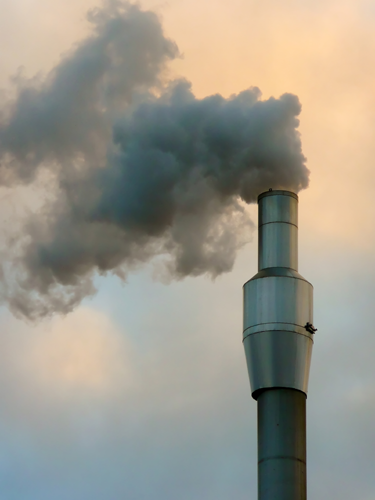
Environmental pollution is a significant problem in many large cities around the world and anti-pollution skincare is a hot new trend coming out of Asia. A significant number of studies have examined the effects of pollution on the ageing of the skin and found some alarming results.
Pollutants are very diverse, from some airborne components such as Ozone or Nitrogen Dioxide to industrial residues such as polycyclic aromatic hydrocarbon and nanoparticles. The effect that these pollutants can have on the skin depends of course on the daily environmental exposure. This exposure will vary from location to location and between individuals. However, if you live in a large polluted city then it is very likely that your skin is being exposed to significant pollution every single day.

Effects of Pollution on the Skin

Researchers have found the following effects of pollution on the skin:
  • Ozone in photochemical smog appears to speed up skin ageing, by depleting Vitamin E levels in the skin, interfering with wound-healing processes and causing oxidative stress.
  • Skin exposed to pollution areas experiences a higher sebum secretion rate, when compared to non-polluted areas.
  • There is a tendency of the cutaneous pH to decrease when exposed to pollution. One study found a higher a significantly higher amount of lactic acid in the skin in polluted areas compared to non-polluted areas.
  • Squalene and vitamin E are the main antioxidants at the surface of the skin. Squalene is decreased in polluted areas, as this antioxidant is mobilised to combat oxidative stress in the skin. Low values of both these two antioxidants is normally associated with dry skin which may be a side effect of pollution.
  • Cholesterol in the skin is decreased when exposed to pollution.

Scientific studies into Pollution and Skin

Globally, studies have found a tendency to find more skin problems in the more polluted areas of the world. Research is still ongoing into the skin’s deep layers’ reactions to pollutants.
Skin Pollution Research in China
Anti-Pollution SkincareOne study was undertaken during summer 2008 in two different districts of Shanghai, on 159 local residents: 79 subjects from Xu Jia Hui (a centre Shanghainese area), more exposed to pollution, and 80 subjects from Chong Ming, an agricultural region closely located north of Shanghai (<100 kms) and less exposed to pollution, according to official data. Researchers then measured various skin parameters, and feedback from volunteers was collected through a questionnaire.
The study demonstrated significant differences in several biochemical parameters measured in the rural Chong Ming area, as compared to the urban Shanghai area, with an increased ratio of squalene/lipids, a lower level of lactic acid and a better cohesion of stratum corneum. Both sebum excretion rate and sebum casual levels did not differ between the two districts. The volunteer’s feedback suggested a perceived link between pollution and their skin problems.
Skin Pollution Research in Mexico
A similar clinical study was performed on 96 people in Mexico City (exposed to pollution) and 93 people in Cuernavaca (less exposed to pollution). Both biochemical and clinical skin parameters were studied.
The study demonstrated significant quantitative and qualitative modifications of parameters related to sebum excretion in Mexico City compared to Cuernavaca: the participants in Mexico City noticed an increased level of sebum excretion rate, a lower level of vitamin E and squalene in sebum, an increase of lactic acid and a higher erythematous index (redness) on the face of the subjects.

How to formulate Anti-Pollution Skincare

What is anti-pollution skincare? It will either include products that prevent skin damage caused by pollution, or products that rectify skin damage caused by pollution – or both.
When you’re formulating with the overall aim of providing anti-pollution skincare, you should aim to incorporate high antioxidant levels into the overall skincare product. Living in a highly polluted area means that often your skin may feel as if it has a thick layer of grime and grease on your skin, so gentle cleansing products will be important. You may also wish to account for higher levels of sebum production by formulating skincare which has a balancing effect on the oil levels of the skin. Barrier repair functionality is also a key point to consider, as cholesterol levels are low in the skin exposed to pollution. Some people may find that pollution has a drying effect on their skin given depleted antioxidant levels...
Visit www.formulabotanica.com for details.


References


Want to formulate anti-ageing products for your skincare range? Enrol for Formula Botanica’s Certificate in Organic Anti-Ageing Skincare today. 
Lorraine Dallmeier is a Biologist / Environmental Scientist and eLearning Entrepreneur. She is the Director of Formula Botanica, the world’s leading accredited Organic Cosmetic Science School for people wanting to launch or grow their organic skincare business. Over 1,600 students in 85+ countries have now followed Formula Botanica’s courses to make high performance, professional organic cosmetics.